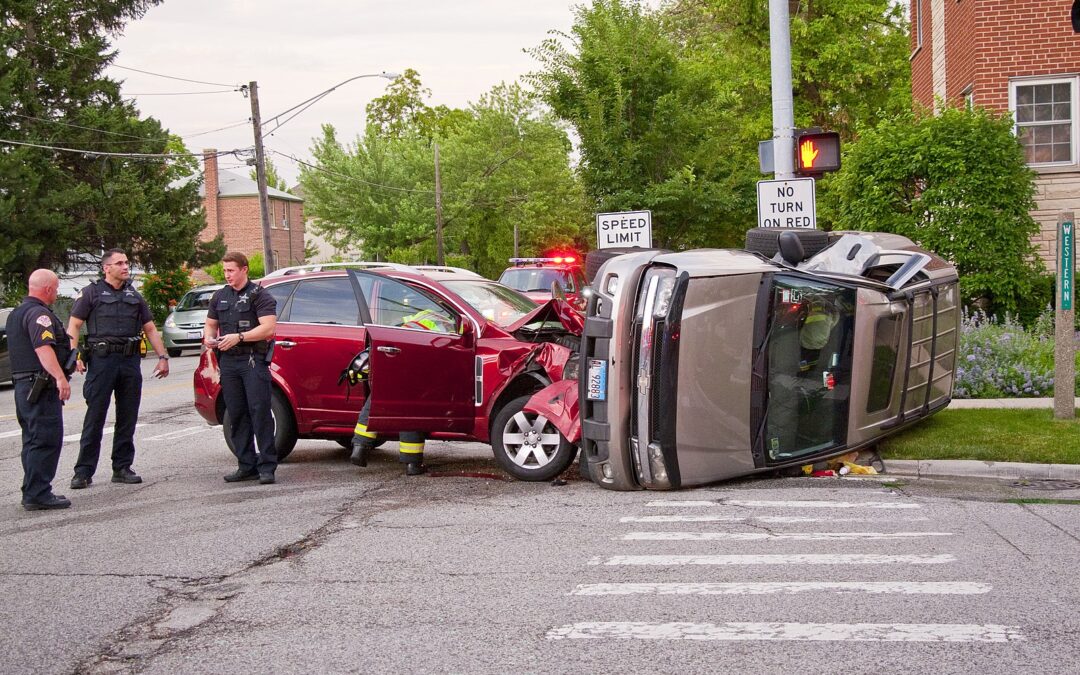
Understanding Car Accident Laws in New Jersey
Car accident laws can be complex and vary significantly from state to state. In New Jersey, understanding these laws is crucial for anyone involved in a car accident, whether as a driver, passenger, or pedestrian. This section aims to provide a comprehensive overview of the legal framework governing car accidents in New Jersey, including liability, negligence, and the nuances of the no-fault insurance system.
For instance, New Jersey operates under a no-fault insurance law, which means that after a car accident, individuals typically file claims with their own insurance companies regardless of who was at fault. This can simplify the claims process but also limits the ability to sue for damages unless certain thresholds are met. Knowing these laws can help victims navigate their rights effectively.
Steps to Take Immediately After a Car Accident
Knowing what to do immediately after a car accident can significantly impact the outcome of any potential claims. It's essential for accident victims to stay calm and ensure safety first, which includes moving to a safe location if possible and calling for medical help if there are injuries. Documenting the scene, exchanging information with other parties, and contacting law enforcement are critical steps that should not be overlooked.
Additionally, taking photographs of the accident scene, vehicle damage, and any visible injuries can serve as vital evidence when filing a claim. Victims should also avoid admitting fault at the scene, as this can complicate legal processes later. Properly following these steps can help build a strong foundation for any legal action that may be necessary.
Common Myths About Car Accident Claims
There are many misconceptions surrounding car accident claims that can mislead victims about their rights and options. One common myth is that all accidents automatically lead to a lawsuit. In reality, many claims are settled through insurance negotiations without the need for court intervention. Understanding the truth behind these myths can empower victims to make informed decisions about their claims.
Another prevalent myth is that victims can only receive compensation for physical injuries. In fact, compensation can also cover emotional distress, lost wages, and other damages resulting from the accident. By debunking these myths, accident victims can better understand the full scope of their rights and the potential compensation they may be entitled to.
The Role of Insurance Companies in Car Accident Claims
Insurance companies play a pivotal role in the aftermath of a car accident, often determining the outcome of claims. It's important for victims to understand how insurance adjusters assess claims and the factors that influence settlement offers. This section will delve into the insurance claims process, including how to file a claim and what documentation is needed to support it.
Moreover, knowing how to negotiate with insurance companies can significantly impact the compensation received. Many victims may feel pressured to accept initial offers, which are often lower than what they deserve. Understanding the claims process and the tactics used by insurance companies can help victims advocate for themselves and secure fair settlements.